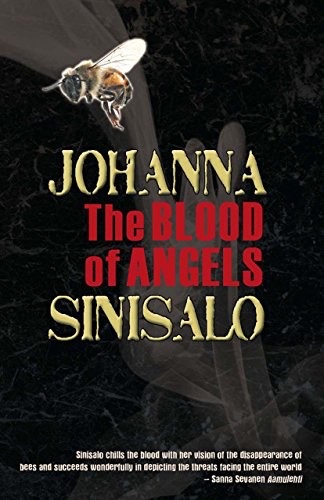
Cover of The Blood of Angels

The Blood of Angels

Johanna Sinisalo

4 ideas

  1. Beekeeper finds hive emptied, door opens

    In his attic he then discovers a passage into a parallel Finland where humans never came to dominate and pollinators still thrive. The novel sets that world against his own as a direct before-and-after picture of what human dominance costs.

  2. Pollinator collapse as hidden civilizational dependency

    Much of the human food system rests on the unpaid labor of honeybees, and that labor goes unnoticed until it stops. When colonies vanish, the failure does not stay in agriculture. It cascades into crop failure, rising food prices, and social breakdown, which shows that a small, overlooked species can be a load-bearing part of civilization.

  3. Animal minds make industrial exploitation indefensible

    Through Eero's activist writing, the novel argues that animals have feeling and awareness, and that human exceptionalism is a convenient story used to justify factory farming and mass harm. If animal suffering is real, then treating animals as production units is an ethical failure, not a neutral economic choice.

  4. Imagine the world minus human dominance

    Picture the same landscape with a single variable changed: humans never took over. Comparing that intact baseline with the real present makes visible damage that normally reads as simply how things are. The counterfactual turns 'nature' from background scenery into a measure of what has been lost.

Save and mark ideas in the app