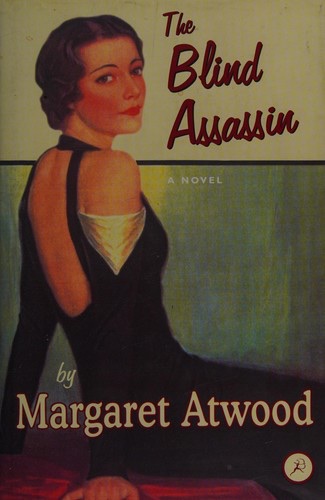
Cover of The Blind Assassin

The Blind Assassin

Margaret Atwood

4 ideas

  1. Novel published under dead sister's name

    In 1945, days after the war ends, Laura Chase drives her sister Iris's car off a Toronto bridge. Iris later writes a novel about her own affair with Alex and publishes it under Laura's name, which makes Laura a posthumous cult figure, precipitates Richard's death, and lets Iris both confess and hide for decades.

  2. Pulp fiction as coded confession

    The lovers trade installments of a lurid science-fiction tale about a blind boy-assassin and a tongueless sacrificial girl on the planet Zycron. The tale lets them speak about class exploitation, silenced women and their own doomed situation in a form deniable as mere entertainment. The genre's disposability is what makes it safe for saying things that cannot be said directly.

  3. Daughters as collateral in failing family businesses

    Norval Chase, facing the collapse of his Depression-era button factory, arranges for eighteen-year-old Iris to marry the industrialist Richard Griffen in return for Richard's promise to keep the factory and its workers going. Richard absorbs the business and lets it close anyway. The novel presents the bourgeois marriage as a financial transaction in which the woman is the asset transferred and the one who has no claim once the terms are broken.

  4. Public record versus private testimony

    Society-page items, obituaries and news clippings are interleaved through Iris's memoir. They report the same events, deaths ruled accidents and weddings described as brilliant matches, in flat, respectable language that hides coercion, abuse and suicide. Reading the official archive against the belated first-person account shows how institutions record surfaces, and how the truth survives only in unreliable, self-interested private testimony.

Save and mark ideas in the app