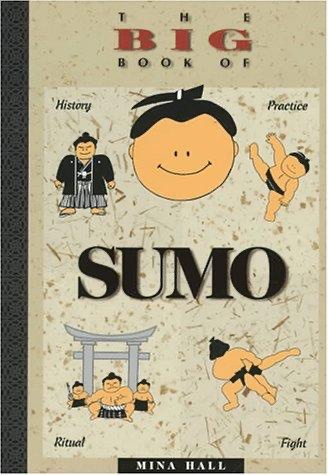
Cover of The Big Book of Sumo

The Big Book of Sumo

Mina Hall

2 ideas

  1. Banzuke: rank recalculated every single tournament

    Sumo's ranking list is redrawn after each of the six annual tournaments. A wrestler's next rank depends mainly on whether he achieved kachi-koshi (a majority of wins, eight of fifteen for top divisions) or make-koshi (a majority of losses), so status is continuously re-earned rather than held. Asymmetric protections at the top show how a meritocracy handles its elite: an ozeki is demoted only after consecutive losing records, and a yokozuna cannot be demoted at all and is expected to retire instead.

  2. Stable hierarchy where rank dictates daily life

    Inside a heya, a wrestler's banzuke rank governs every part of daily life, including who bathes and eats first, who does chores, and who gets a salary. Wrestlers who reach the salaried sekitori ranks are served by lower-ranked attendants (tsukebito), while unsalaried juniors cook, clean and serve. Competitive status therefore becomes immediately and physically felt every day, which makes promotion a powerful motivator.

Save and mark ideas in the app