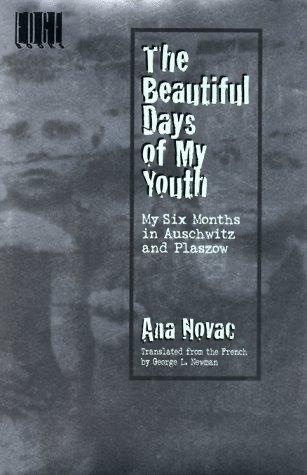
Cover of The Beautiful Days of My Youth

The Beautiful Days of My Youth

Ana Novac

4 ideas

  1. Diary written on stolen propaganda posters

    In 1944, fifteen-year-old Ana Novac, a Jewish girl deported from Transylvania, kept a diary in Auschwitz and then Plaszow on scraps torn from German propaganda posters, hiding them on her body. The diary was published in the 1960s.

  2. Recording turns victim into observer

    Writing gave the prisoner a second role beyond sufferer. As a witness gathering material, she had a reason to look closely at events instead of going numb, and a small zone of agency the camp could not reach. The observing stance created enough psychological distance to keep her mind working, not only her body.

  3. Adolescent selfhood persists inside atrocity

    A teenager in a death camp still worries about her looks, gets crushes, resents her companions, and complains about her own boredom. These ordinary, even petty preoccupations are not trivial against the horror. They are evidence that the self the camp was designed to erase kept operating, and the candid record of them makes her humanity legible in a way that solemn testimony cannot.

  4. Contemporaneous testimony resists retrospective smoothing

    A record written in the moment keeps what later memory tends to reshape into coherent, dignified narrative: prisoners' pettiness toward one another, dark jokes, confusion, and unresolved feelings. The sardonic title marks this refusal of heroic or redemptive framing.

Save and mark ideas in the app