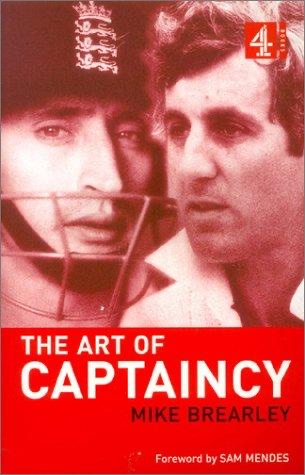
Cover of The Art of Captaincy

The Art of Captaincy

Mike Brearley

6 ideas

  1. Fair treatment is not identical treatment

    A captain who treats every player the same is not being fair, because players respond to the same words in very different ways. One bowler needs praise to stay confident, another needs a goad or a challenge to his pride, and a third needs to be left alone. Fairness lives in giving each player an equal chance to do his best, which means reading each temperament and adjusting to it.

  2. Handling Botham after he lost the captaincy

    When Brearley returned as England captain in 1981, Ian Botham had just given up the job after a run of failures and was playing well below his ability. Brearley took the burden of leadership off him and used teasing, provocation and open trust to reawaken his aggression, rather than lecturing him. Botham's match-winning performances that summer show that a gifted performer weighed down by responsibility may recover once someone else carries that weight.

  3. Reading the state of the match

    Tactical decisions such as field placings, bowling changes and declarations come from a continuous reading of the game. The captain weighs the pitch, the weather, the time left, the batsman's current confidence and the bowler's freshness. The skill is sensing momentum before it appears on the scoreboard, so you know when to attack for wickets and when to tighten up and wait for pressure to build.

  4. Declaration as calibrated opponent hope

    A good declaration sets a target that tempts the opposition to chase, because a side that thinks it can win takes risks that produce wickets. If the target is too generous you lose, and if it is too stingy they block out a draw.

  5. Leader as close but detached

    A captain has to stay close enough to the team to know how each player is feeling. He also needs enough inner distance to judge them clearly, drop a friend, or make an unpopular call. Brearley draws on his psychoanalytic training to describe this stance: engaged but observing, part of the group yet not captured by its moods.

  6. Consult widely, decide alone

    A captain should draw out advice from senior players and bowlers, because they often see what he cannot and they commit more to plans they helped shape. Once the decision is made, though, it must be clearly his own and not a vote. Shared input combined with single ownership keeps both the team's knowledge and a clear line of accountability.

Save and mark ideas in the app