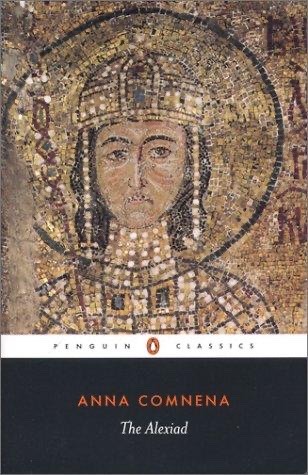
Cover of The Alexiad

The Alexiad

Anna Komnene

4 ideas

  1. Alexios extracts crusader oaths at Constantinople

    In 1096–97, as the First Crusade's armies converged on Constantinople, Alexios I used gifts, controlled food markets, and pressure to make leaders such as Godfrey of Bouillon and Bohemond swear to return former imperial cities they captured. When Bohemond kept Antioch in 1098, Alexios defeated him in 1108 and forced him to sign the Treaty of Devol, which made Bohemond an imperial vassal.

  2. Allies as a managed threat

    Anna presents the crusaders not as rescuers but as a dangerous force to be channeled. Alexios gives the Latin armies supplies, money, and escorts so they move through his territory quickly and fight his enemies, while keeping them away from his capital's walls. On this view, an ally whose goals differ from yours is handled with the same containment tools you would use on an enemy.

  3. Stratagem and money before open battle

    Alexios often wins by what Byzantines called strategy: well-timed payments, spreading distrust among enemy commanders, feigned retreats, and turning one people against another, as when Cumans were used against the Pechenegs at Levounion in 1091. Pitched battle is a last resort because it risks the empire's small professional army.

  4. The filial historian's credibility problem

    Anna insists she tells the truth impartially, even though her subject is her father and she writes decades later, sidelined after failing to put her husband on the throne. Her direct access to court sources and documents comes with the loyalty and resentment that bend how she tells the story. Her praise of Alexios and scorn for Latins show that an insider's authority and an insider's bias grow from the same position.

Save and mark ideas in the app