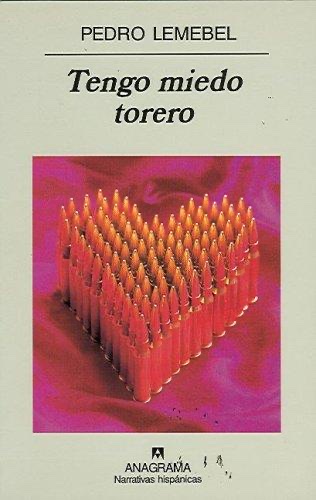
Cover of Tengo miedo torero

Tengo miedo torero

Pedro Lemebel

4 ideas

  1. Drag queen hides guerrilla weapons for love

    In 1986 Santiago, an ageing drag queen called La Loca del Frente agrees to store boxes for Carlos, a young man from the Manuel Rodríguez Patriotic Front, in the rundown house where she embroiders tablecloths for officers' wives. The boxes hold weapons for the September 1986 ambush on Pinochet's motorcade in the Cajón del Maipo. She unknowingly and then knowingly becomes complicit out of infatuation, not ideology, and the failed attack ends with Carlos fleeing and the two separating.

  2. Personal desire can recruit people politics cannot

    The Loca enters armed resistance not through conviction but through love, and her politicization follows her attachment to Carlos. Solidarity can be built from intimacy first, with ideological commitment arriving afterward or never. This recruits people whom movements' official rhetoric, often macho and heteronormative, would never address.

  3. Deflating tyranny through domestic farce

    The dictator is shown not as a monumental villain but as a petty, frightened old man nagged by a frivolous, status-obsessed wife in chapters interleaved with the love story. Placing absolute power inside banal household bickering strips it of the awe it depends on. Ridicule becomes a form of resistance available to those without weapons.

  4. Marginality as invisibility and cover

    An effeminate homosexual in a poor neighbourhood is despised but also dismissed as harmless and apolitical, so the regime's gaze passes over her. That contempt gives her a blind spot to operate in: a queer, kitschy household is the last place the security apparatus looks for an arsenal. Stigmatized people can turn the underestimation they suffer into tactical concealment.

Save and mark ideas in the app