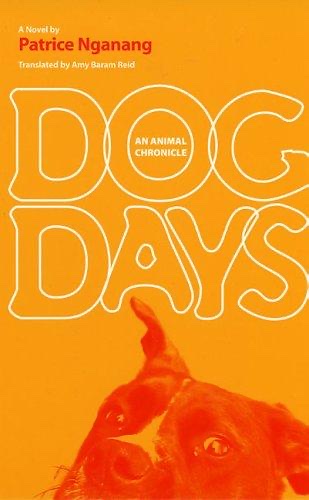
Cover of Temps de chien

Temps de chien

Patrice Nganang

4 ideas

  1. A laid-off man's bar seen by his dog

    In 1990s Yaoundé, Massa Yo loses his salaried job in the austerity layoffs of Cameroon's economic crisis and opens a small bar in a poor neighborhood. His dog Mboudjak, lying at the bar's entrance, narrates the customers' quarrels, debts, gossip, sexual bargaining and fear of the police.

  2. The dog's-eye view as outsider witness

    A non-human narrator sits below and outside the social hierarchy, so people speak and act in front of him without guarding themselves. This lets the narrative record what humans hide from each other: small cruelties, hypocrisy, informants and humiliations. It also makes ordinary human behavior look strange enough to be judged.

  3. Becoming human is not an upward step

    After watching how the humans around him treat each other, he concludes that a dog's condition may be the more dignified one. The novel uses this reversal to indict a society in which poverty and repression have stripped people of the decency that is supposed to separate them from animals.

  4. Street talk as a counter-public

    Under a regime that censors and punishes open speech, rumor and bar-room talk (in Cameroon, 'radio trottoir') become the public's real channel of news and political commentary. The same spaces are full of informers, so this talk is both a form of resistance and a danger to the people who speak. Repression therefore shapes how people speak, pushing talk into rumor, jokes and coded language rather than silencing it.

Save and mark ideas in the app