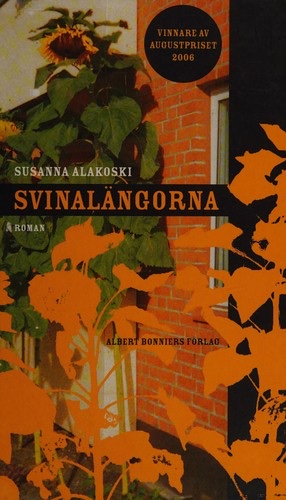
Cover of Svinalängorna

Svinalängorna

Susanna Alakoski

4 ideas

  1. A Finnish girlhood in Ystad's 'pig rows'

    In 1970s Ystad, a Finnish labour-migrant family moves into the newly built Fridhem housing blocks, first seen as modern homes and later nicknamed 'Svinalängorna', the pig rows. As the parents' drinking escalates into binges and violence, their daughter Leena covers for them at school and in front of neighbours, looks after her younger brother, and keeps up appearances when social workers visit.

  2. The child as the family's gatekeeper

    When outside help, such as social services, could break up the family, the child in an addicted household becomes its border guard. She cleans, lies and manages visits to hide the drinking, which means the people meant to rescue her are the ones she works hardest to deceive. Her loyalty and her self-protection become the same act.

  3. Welfare housing does not erase class stigma

    The welfare state can give immigrant workers new flats, jobs and caseworkers, but stigma still settles on the place and the people in it. A modern estate becomes a byword for failure, and residents inherit its name as an identity. The material upgrade is real, while the social marking of 'Finn', 'drunk' and 'from the blocks' keeps them outside.

  4. Love and dread held simultaneously

    Told through a child's eyes, the parents are neither villains nor victims. They are loved people whose affection and danger come from the same source. The child learns to read small signs, such as a mood, a sound or a bottle, to predict which parent will appear tonight. Seeing addiction this way explains why children defend the parents who harm them.

Save and mark ideas in the app