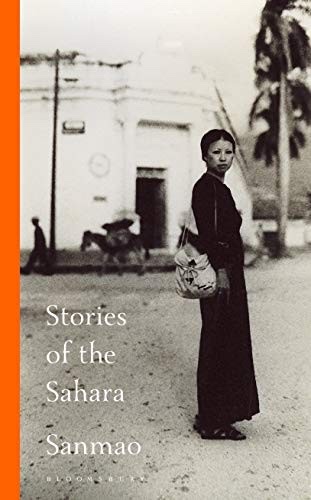
Cover of Stories of the Sahara

Stories of the Sahara

Sanmao

5 ideas

  1. Guka, the ten-year-old Sahrawi bride

    Sanmao's neighbour Guka, a Sahrawi girl of about ten, is married off by her father to a much older man in exchange for a bride price. Sanmao attends the wedding as a friend and watches the girl being taken to the marriage chamber, where she hears her scream, while the assembled guests treat it as normal ceremony. The episode is a concrete case of an outsider who is close enough to be invited in but has no standing to stop what she witnesses.

  2. Crying Camels at colonialism's end

    As Spain prepares to abandon the Spanish Sahara in 1975, amid Moroccan pressure and the Green March, Sanmao's Sahrawi friends Bassiri, a pro-independence guerrilla leader, and his wife Shahida are killed in the violence. Camels are slaughtered and cry out, and the Spanish residents, José and Sanmao among them, evacuate. The end of an empire is recorded as the loss of specific neighbours, not as a diplomatic event.

  3. Domestic salvage as claiming a place

    Sanmao makes a home in a bare rented room in El Aaiún out of discarded materials. She builds furniture from salvaged wooden coffin boards and prizes a bleached camel skull that José gives her as a wedding present. Assigning value to things the environment treats as refuse is how she turns a hostile, scarce place into one that is hers.

  4. Borrowing neighbours dissolve private property

    Sanmao's Sahrawi neighbours routinely borrow, and do not return, whatever her household has, including food, medicine, appliances and even the use of her fridge. Refusing would violate their norms of sharing.

  5. The participant-outsider's divided vantage

    Sanmao is a Chinese woman married to a Spaniard, living among colonized Sahrawis in the last years of Spanish rule. She belongs fully to neither the colonizers nor the colonized. That in-between position lets her enter homes, weddings and bathhouses as a friend and judge them as a stranger. What she records is shaped by both her intimacy with the people she describes and her complicity in the colonial arrangement.

Save and mark ideas in the app