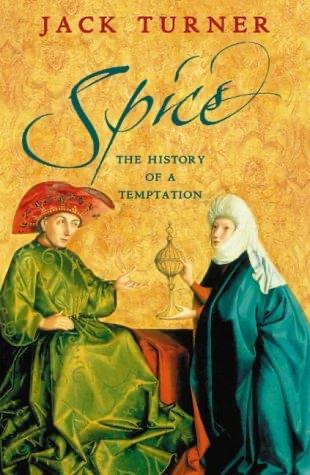
Cover of Spice

Spice

Jack Turner

6 ideas

  1. Spices were not for masking rotten meat

    The popular idea that medieval cooks used spices to hide spoiled meat collapses on price: pepper and cinnamon cost far more than fresh meat, and the rich people who could afford spices were also the ones with access to fresh meat. Spices were costly additions to good food, not cheap fixes for bad food.

  2. Distance and mystery generated spice value

    That ignorance let spices be linked to Paradise, Eden and fabled lands, so each grain carried imagined exotic origins as well as flavor. Much of the price was paid for that remoteness and mystery.

  3. Spices as humoral medicine

    Under Galenic humoral theory, most spices were classed as hot and dry. Physicians prescribed them to rebalance bodies thought to be too cold or too moist, for problems ranging from indigestion to plague. This gave spices a practical, therapeutic justification well beyond taste.

  4. Spices functioned as aphrodisiacs through heat

    Sexual vigor was understood as a matter of bodily heat and the production of seed, so hot spices were believed to stir desire and help fertility. As a result, spices appeared in love potions, wedding foods and medical advice on potency. The same humoral logic that made them medicine made them tools of sex.

  5. Aroma as a sign of holiness

    In Christian thought, sweet smells marked the sacred. Saints' bodies were said to give off an 'odor of sanctity,' Paradise was pictured as fragrant, and incense and spiced chrism were used in worship. Spices thereby became a material link to the divine, and their scent carried spiritual meaning as well as sensory pleasure.

  6. Conspicuous spice consumption signaled elite status

    Nobles served heavily spiced dishes and gave spices as gifts to display wealth and refinement, because only the rich could afford large amounts. Spice therefore worked as a marker of rank, and moralists attacked it as gluttony and vanity. Once spices became cheaper and widely available in the early modern period, they lost this cachet, and elite cooking shifted toward subtler flavors.

Save and mark ideas in the app