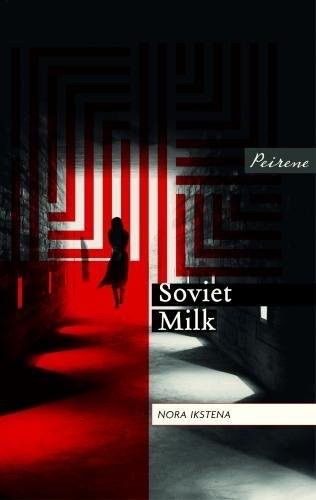
Cover of Soviet Milk

Soviet Milk

Nora Ikstena (Latvia)

4 ideas

  1. The gynaecologist who would not nurse

    In Soviet-occupied Latvia in 1969, a young gynaecologist gives birth to a daughter and refuses to breastfeed her. After a professional disgrace sends the mother to a rural clinic, the daughter, still a child, becomes her caretaker through years of depression, drinking and suicide attempts, until the mother's death in 1989 as Latvia moves toward independence.

  2. Withholding care as an act of refusal

    The mother believes her milk would pass the regime's poison into her child, so she withholds it. Read this way, an apparent failure of love becomes a political gesture, and one whose cost falls on the person it was meant to protect.

  3. Occupation inverts the direction of care

    Under totalitarian pressure, the parent the system crushes most completely cannot parent, so the child is forced into the role of caretaker. The daughter feeds, shields and watches over her mother, which reverses the flow of nourishment between the generations. Political damage passes down the family line as responsibility that arrives too early, not only as trauma.

  4. Internal exile of the non-conforming professional

    The Soviet system neutralised capable dissenters by demoting and relocating them rather than openly imprisoning them. This quieter punishment destroys a person through futility and loneliness, and it leaves the regime's hands looking clean.

Save and mark ideas in the app