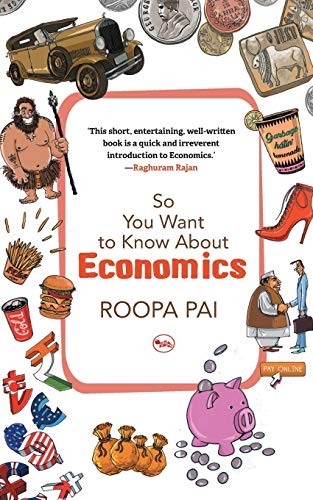
Cover of So You Want to Know About Economics

So You Want to Know About Economics

Roopa Pai

6 ideas

  1. Scarcity forces every choice to cost

    Wants have no ceiling, but time, money, land, and materials are limited, so people, families, and countries must always choose. The real price of any choice is the best alternative you gave up to make it, which is its opportunity cost.

  2. Barter's double coincidence of wants problem

    Barter works only when each trader happens to want exactly what the other one has, at the same moment and in amounts that match. Money removes this problem by acting as something everyone accepts, a common measure of value, and a way to store value for later.

  3. Money's value rests on shared trust

    Coins and notes are worth something because everyone trusts that others will accept them and that the issuing authority will keep them scarce, not because the paper itself is valuable. If that trust collapses, the money stops working even though the physical notes are unchanged.

  4. Banks lend out most deposits

    A bank keeps only a small share of depositors' money as reserves and lends the rest to borrowers, who pay interest. The gap between the interest charged to borrowers and the interest paid to savers is how the bank earns money, and the new loans add to the money moving through the economy.

  5. Supply and demand set prices

    When more people want something than there is available, sellers can raise the price. When there is more available than people want, prices fall. The price moves toward the point where the amount buyers want equals the amount sellers offer, and this price signals producers to make more or less.

  6. Inflation erodes what money buys

    When the amount of money or spending in an economy grows faster than the goods available, prices rise across the board. The same note then buys less than before. Central banks try to keep this rise slow and steady by adjusting interest rates and how much money is in circulation.

Save and mark ideas in the app