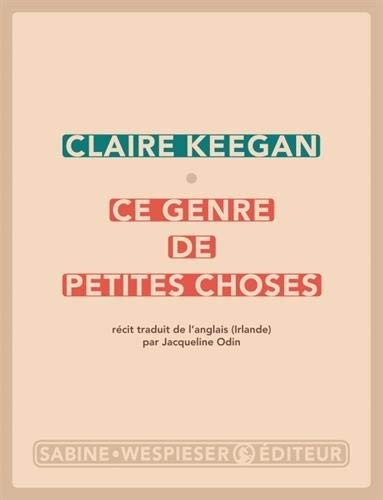
Cover of Small Things Like These

Small Things Like These

Claire Keegan

4 ideas

  1. Coal merchant walks the girl home

    In New Ross in 1985, coal merchant Bill Furlong makes a delivery to the Good Shepherd convent, which runs a Magdalene laundry, and finds a teenage girl, Sarah, locked overnight in the coal shed and asking after her baby. The Mother Superior smooths it over and later hands him a Christmas card with money in it, and townspeople warn him that the nuns have a hand in everything, including the school his daughters hope to attend. On Christmas Eve he goes back, takes Sarah out, and walks her through the town to his home, knowing the worst consequences are still to come.

  2. Complicity is maintained by respectable silence

    Institutional abuse persists less through the abusers than through ordinary, decent people who know and choose not to look, because the institution controls schools, jobs and standing. The pressure to ignore is delivered as friendly, practical advice from wives, neighbours and shopkeepers, such as the line that to get on in life there are things you have to ignore. Silence therefore feels like prudence and care for one's family rather than like a moral choice.

  3. Past rescue creates a present debt

    Furlong was born to an unmarried sixteen-year-old servant who would likely have been sent to such a laundry, except that her Protestant employer, Mrs Wilson, kept her on and helped raise him. Seeing the girl, he recognises that his secure life rests on one person's unrequired kindness, and that he is in the same position Mrs Wilson once was. Knowing where your own luck came from turns a stranger's plight into an obligation you personally owe.

  4. Small acts as the unit of goodness

    The novella places moral weight on small, concrete acts rather than grand gestures. Mrs Wilson's everyday decency shaped a whole life, and Furlong's rescue is one man walking one girl down one street. Evil sustained by many small silences can only be answered by individual small refusals, and it is these that decide whether a person can live with himself.

Save and mark ideas in the app