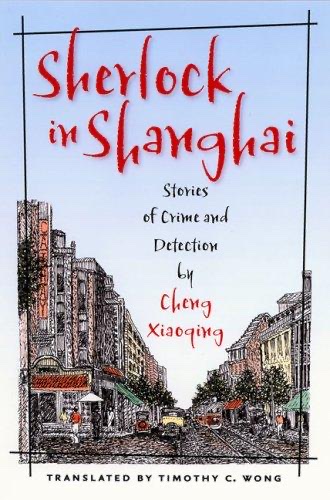
Cover of Sherlock in Shanghai

Sherlock in Shanghai

Cheng Xiaoqing

4 ideas

  1. Doyle's translator builds a Chinese Holmes

    Over several decades he set these cases in the Shanghai of the Republican era, a city of treaty-port concessions, lanes, and tea houses. He kept the Holmesian form of observation, inference, and a narrated reveal, but applied it to local people and social conditions.

  2. Detective fiction as training in reasoning

    The stories present deduction as a teachable habit of mind. Conclusions are built from observed physical traces, such as soil, wounds, and small objects out of place, rather than from confession, torture, or official authority. By making the reader follow the inference chain, the genre tries to replace deference and superstition with evidence-based judgment.

  3. Justice above the letter of law

    Huo Sang sometimes sides with a culprit whose crime answered a greater wrong, and treats solving the case and punishing the solved case as separate decisions. The detective's authority comes from knowing the whole truth. That knowledge lets him weigh moral culpability that a corrupt or rigid legal system would miss.

  4. The chronicler companion as reader proxy

    His visible mistakes set up the reveal. They also show that the gap between him and the detective is disciplined attention, not hidden information.

Save and mark ideas in the app