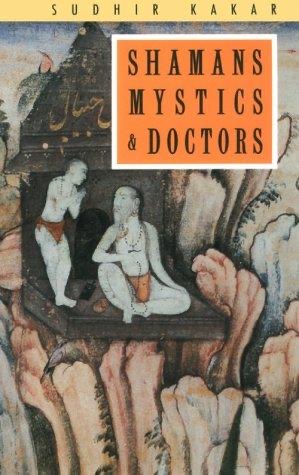
Cover of Shamans, Mystics and Doctors

Shamans, Mystics and Doctors

Sudhir Kakar

6 ideas

  1. Psychotherapy is also a culturally embedded healing

    Western psychotherapy is one culturally specific healing tradition, not a neutral scientific standard for judging other systems. Like shamanic or pir healing, it rests on a shared worldview, a persuasive explanatory myth, and a ritualized relationship between healer and sufferer. Comparing healers therefore means asking how each works within its own cultural frame, not how closely each resembles Western practice.

  2. Spirit possession as an idiom of distress

    Possession by a bhut or preta gives socially sanctioned expression to wishes and grievances that cannot be spoken directly. These are often the sexual or aggressive conflicts of young women subordinated within joint families. Because a spirit takes the blame, the sufferer can voice forbidden feelings and draw the family's attention and care without personal guilt or social censure.

  3. Externalizing versus internalizing the source of suffering

    Indian folk healing locates the cause of distress outside the person, in demons, planets, sorcery, or karma. Psychoanalysis locates it inside the person, in repressed wishes and conflicts. Externalization lets the patient cooperate with healing without facing painful self-knowledge. Internalization demands insight and self-confrontation, which fits a culture that values individual autonomy.

  4. Collective exorcism at the Balaji temple

    At the Mehndipur Balaji temple, possessed pilgrims enter trance, and their spirits are tried and punished in a divine court before Balaji, Bhairava, and Pretraj. The public ritual turns private conflict into a shared, dramatized struggle. Healing follows from the sufferer's surrender to the deity and reintegration into the family and community, not from individual insight.

  5. Healing works through the idealized healer relationship

    Across pirs, tantrics, and gurus, much of the therapeutic effect comes from the patient's dependence on and idealization of a powerful healer. In a culture where the self is defined relationally and hierarchically, merging with a benevolent, omnipotent figure restores a sense of wholeness and protection. The transference that analysts treat as material to interpret is instead used directly as the curative force.

  6. Ayurveda's holistic model of mental disorder

    Ayurveda explains madness (unmada) as an imbalance of bodily humors (doshas), shaped also by diet, conduct, moral transgression, and supernatural agents. Treatment therefore works on several levels at once: purgation and diet for the body, regulation of conduct, and ritual or mantra for unseen causes. The model does not split mind from body, so psychological suffering can be addressed through somatic and ethical means.

Save and mark ideas in the app