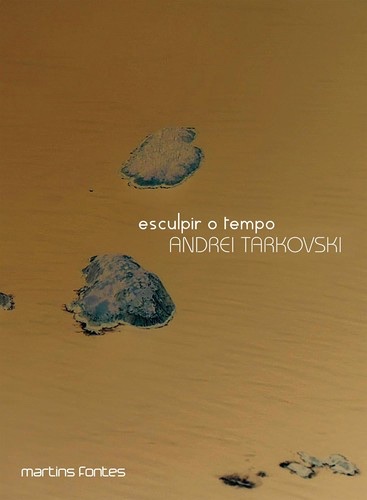
Cover of Sculpting in Time

Sculpting in Time

Andrei Tarkovsky

6 ideas

  1. Cinema as sculpting in time

    The director works like a sculptor who removes excess marble: from a mass of recorded lived time, he cuts away everything that is not the film, leaving a shaped block of duration. Cinema's specific material is time itself, fixed in its real, factual forms and manifestations, and not plot, montage, or the image alone.

  2. Rhythm comes from time-pressure within shots

    The dominant formative element of cinema is rhythm, and rhythm is determined by the pressure of time flowing within each shot, not by the length of cuts. Montage only joins pieces already charged with different time-pressures. Editing that tries to create meaning through collisions of shots overrides the time actually lived in the frame.

  3. Poetic logic over linear dramaturgy

    Connecting events by poetic association, the way thought and memory actually move, is truer to life than the cause-and-effect logic of conventional plot. It also engages the viewer as an active participant who assembles meaning, rather than handing over conclusions. Leaving gaps treats the audience as capable of discovery.

  4. The image as observation, not symbol

    A true artistic image is a precise observation of life that carries infinite meaning and cannot be reduced to a single interpretation or decoded like a symbol. When a viewer asks what an image "means," the image has already failed or been misread. Its force lies in the fact that it resists paraphrase while feeling exactly true.

  5. Mirror as memory made cinematic

    In making Mirror, Tarkovsky built the film from his own childhood memories, his mother, and wartime newsreel. He found that the structure cohered only through prolonged restructuring in the editing room, where many versions failed before one sudden arrangement made the material come alive. Viewers who wrote letters said the film showed them their own lives, which convinced him that the deeply personal can be universally recognized.

  6. Art exists to prepare for death

    The purpose of art is to prepare a person for death by ploughing and harrowing the soul so it becomes capable of turning toward the good. The artist does not serve the audience's taste or entertainment. He owes them his utmost sincerity and his sacrifice, because the work is a moral act rather than a product.

Save and mark ideas in the app