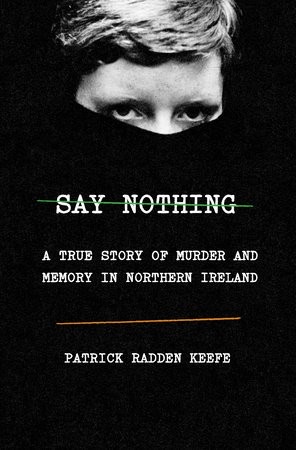
Cover of Say Nothing

Say Nothing

Patrick Radden Keefe

4 ideas

  1. The Boston College oral history subpoena

    Boston College recorded confidential testimonies from former paramilitaries, promising that the tapes would stay sealed until each participant died. The promise rested on no legal privilege, and the PSNI used a US subpoena to seize the Belfast Project interviews in its investigation of the McConville murder. An archive built to preserve candid memory became evidence for prosecution, and this exposed how fragile academic confidentiality is when it faces state power.

  2. Omertà sustains violence beyond the conflict

    The republican code of silence ('whatever you say, say nothing') enforced loyalty during the war by making informing a capital offense. Families of the disappeared were denied even the location of bodies for decades, because breaking silence threatened the living and the political settlement built on it.

  3. Moral injury of the foot soldier

    Look at who carried out the killings rather than who ordered them. Volunteers like Dolours Price and Brendan Hughes acted on orders they believed served a cause. When the leadership, especially Gerry Adams, later disowned that violence to gain political legitimacy, the rank and file were left holding the guilt alone. The betrayal they felt came less from the violence itself than from leaders rewriting the past to deny their own part in it.

  4. The informer label as social death sentence

    In a tightly surveilled insurgent community, calling someone a 'tout' worked as a verdict without a trial. The accusation alone justified abduction and execution, and it spread stigma onto the victim's family. Jean McConville, a widowed Protestant-born mother of ten, was killed under this logic, and the rumor was repeated for decades afterward to justify her killing, although a later ombudsman investigation found no evidence she had been an informer.

Save and mark ideas in the app