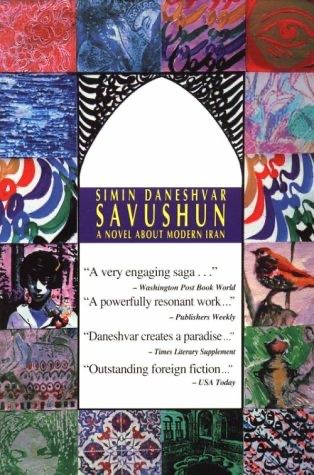
Cover of Savushun

Savushun

4 ideas

Buy on Amazon
  1. Zari's husband killed for refusing complicity

    Yusof, a Shiraz landowner, refuses to sell his grain to the occupying Allied forces, insisting it feed local villagers and tribes during famine; he is assassinated for this stance. His widow Zari, long devoted to keeping peace and avoiding conflict, transforms the funeral into a public act of defiance when authorities try to suppress mourning.

  2. Mourning converted into political protest

    A funeral, nominally private grief, becomes the vehicle through which a silenced population expresses collective political opposition. Because the ritual is culturally sacrosanct, attempts by authorities to suppress it expose their illegitimacy and convert spectators into participants.

  3. Peacekeeping by women can enable oppression

    The habit of maintaining domestic calm and avoiding confrontation, praised as feminine virtue, functions to accommodate injustice rather than oppose it. The book argues that a woman's political awakening requires abandoning this prized peace-at-any-cost posture, which until then had served the very powers harming her.

  4. Foreign occupation seen through a household

    Large political forces (war, occupation, famine, colonial requisition) are rendered legible by tracing how they enter one family's meals, marriages, servants, and quarrels. The domestic interior becomes the instrument that measures the pressure of distant geopolitics.

Save ideas and give them a thumbs up or down in the app