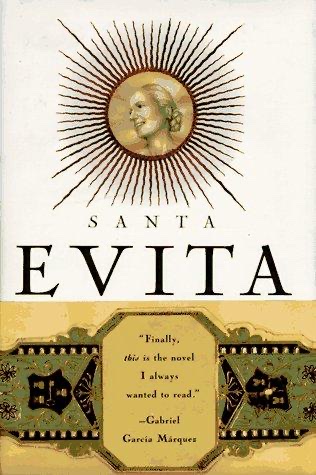
Cover of Santa Evita

Santa Evita

Tomás Eloy Martínez

4 ideas

  1. The kidnapped, hidden embalmed corpse of Evita

    After Eva Perón died in 1952, Dr. Pedro Ara embalmed her body. Following the 1955 coup, the military regime seized it, and Army Intelligence chief Colonel Carlos Eugenio Moori Koenig moved it through a series of secret locations, including a van, an office, and behind a cinema screen, while decoy copies were made. Flowers and candles kept appearing wherever it was hidden. In 1957 it was secretly buried in Milan under a false name, returned to Perón in Madrid in 1971, and finally entombed in Buenos Aires.

  2. Suppression amplifies the symbol it targets

    The regime tried to erase Evita by banning her name and hiding her body. The ban turned absence into presence: each hiding place attracted anonymous tributes, and her forbidden name gained sacred force. Trying to control a charismatic symbol by making it disappear gives believers a martyrdom narrative and a secret to venerate.

  3. The body as a contested political object

    A dead leader's preserved body stops being a person and becomes a territory that factions must possess, guard, or desecrate. The officers who held Evita's corpse grew fetishistically obsessed with it, and custody of the body became a stand-in for control over the nation's loyalties. Seeing politics through who controls the relic shows how power runs through material symbols as well as institutions.

  4. Myth is truer than documented fact

    The narrator mixes interviews, archives, and invented scenes, arguing that a nation's collective memory runs on the stories people need rather than on verifiable records. Evita's significance lies in the accumulated fictions that her devotees and enemies built around her. So a faithful account of a myth must use fiction's tools, because documents alone cannot capture what the myth does.

Save and mark ideas in the app