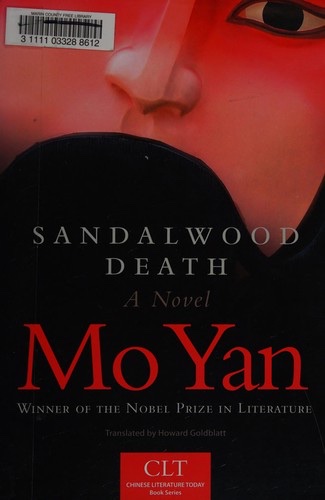
Cover of Sandalwood Death

Sandalwood Death

Mo Yan

4 ideas

  1. The sandalwood stake at the railway opening

    In 1900 Gaomi, the Cat Tune opera singer Sun Bing leads villagers against German railway builders and is captured. The retired imperial executioner Zhao Jia, whose son is married to Sun Bing's daughter Meiniang, is ordered to devise a death that will terrorize the region.

  2. Mastery of craft displaces moral judgment

    Zhao Jia judges each execution by its technical standard, such as delivering exactly the prescribed 500 cuts of a death by slicing with the final cut landing at the last breath. Measured this way, a failure means a botched performance rather than a killing, and a success means excellence rather than cruelty. Pride in precision lets the practitioner feel virtuous while doing the worst work the state commissions.

  3. Public execution as staged theater

    The novel treats the execution ground as a stage with the crowd as audience, the executioner as lead performer, and the condemned as an actor who can steal the show. Sun Bing sings opera on the stake to turn his death into a heroic spectacle, contesting the meaning the state intends. Whoever controls how the spectacle is performed and remembered decides whether a punishment reads as deterrence or martyrdom.

  4. The executioner as the state's instrument

    Imperial power claims authority over life and death but hands the physical act to a low-status specialist who absorbs its stigma. The executioner values the emperor's recognition of his skill, which binds him loyally to the system that despises him. Because the violence passes through a proud craftsman, rulers can order atrocity without touching it, and the executioner can perform it without owning it.

Save and mark ideas in the app