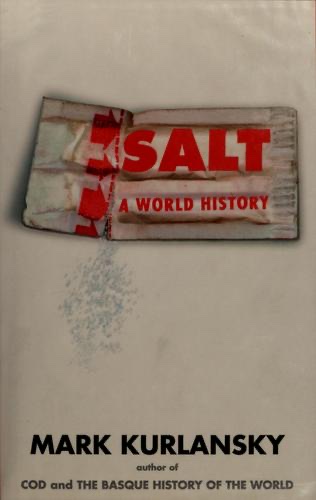
Cover of Salt

Salt

Mark Kurlansky

4 ideas

  1. Gandhi's 1930 Salt March to Dandi

    In 1930 Gandhi walked 240 miles to the sea at Dandi and picked up natural salt, breaking the British Raj's monopoly, which forbade Indians from collecting or selling salt. Because every Indian household needed salt, the monopoly was an ideal symbol. Tens of thousands copied his act, the mass arrests that followed exposed how thin the Raj's authority was, and a commodity tax became the rallying point for independence.

  2. Inescapable necessities make ideal, dangerous tax bases

    Salt was taxed by states from Han China to Bourbon France because every person and animal needs it, so demand barely falls when the price rises. That same inescapability makes the tax regressive and visible. It falls hardest on the poor and ties resentment to a daily purchase. France's hated gabelle and China's salt monopoly each funded the state for centuries while repeatedly fueling smuggling, revolt and, in France, grievances that fed the Revolution.

  3. Preservation technology as the driver of geography

    Before refrigeration, salt was the main way to preserve food, so whoever controlled salt controlled how far food, armies and fleets could travel. Salted cod and herring let Basque and Dutch fishermen work distant waters and sustained long voyages. Salt routes and salt works decided where roads, cities and trade networks formed. Seen this way, the history of exploration and settlement is partly the history of keeping protein from rotting.

  4. Commodity value collapses once geology reveals abundance

    For most of history salt was scarce and costly because producing it took labor-intensive evaporation or mining. That scarcity made it money-like, used for wages and state monopolies. Once modern geology showed that vast salt deposits lie under much of the earth, and industrial drilling and brine extraction made salt cheap, it lost its strategic and fiscal power. It became a trivial grocery item.

Save and mark ideas in the app