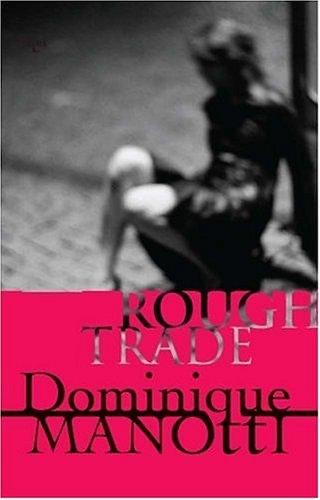
Cover of Rough Trade

Rough Trade

Dominique Manotti

4 ideas

  1. Sentier 1980: murder amid a sweatshop strike

    In Paris in 1980, Commissaire Théodore Daquin arrives in the Sentier garment district to investigate a violent killing. At the same time, undocumented Turkish garment workers are striking to demand residence papers. His inquiry leads out of the backstreet workshops into heroin trafficking and money moving through the rag trade, showing that the district's legal fashion economy, its illegal labour and its drug networks share the same people, premises and cash.

  2. The subcontracting cascade as deniability machine

    Fashion houses order from wholesalers, who pass the work to contractors, who pass it to small workshops employing paperless piece-workers. At each step down, legality, wages and visibility fall away. The respectable firms at the top get cheap, flexible production while every illegal act happens several contracts below them, where no one can connect it to their name.

  3. Illegal status is itself the wage discount

    Clandestine labour is a structural input to the industry, not a marginal anomaly. A worker without papers cannot complain, organise or leave without risking deportation, so illegality produces cheapness and obedience in a way no contract could. The state tolerates this until workers make themselves visible, as with a strike for papers, and only then does it treat their presence as a problem to manage.

  4. Crime as a node in economic circulation

    Read a crime as a point where money, goods and labour change hands, not as one person's deviant act. A cash-heavy, loosely documented trade like small-batch garment making is ideal for moving and laundering other money, so drugs and clothing can travel the same channels. To solve the case, the investigator has to map who profits from each flow, not just who struck the blow.

Save and mark ideas in the app