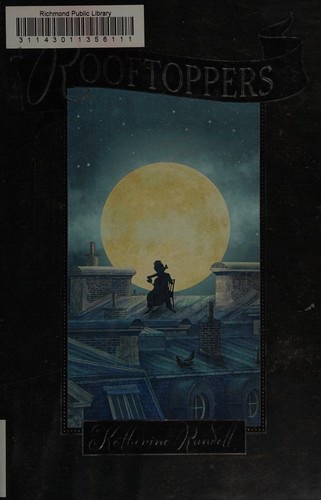
Cover of Rooftoppers

Rooftoppers

Katherine Rundell

4 ideas

  1. Sophie, the cello case, and Paris

    A one-year-old girl is found floating in a cello case in the English Channel after a ship sinks, and is taken in by Charles Maxim, an eccentric English scholar who raises her unconventionally. Officials insist her mother drowned. When a child welfare agency moves to take Sophie away, the two flee to Paris, following a cello-maker's address found inside the case, and search for the mother she remembers playing the cello.

  2. Never ignore a possible

    Charles's governing maxim holds that an unlikely possibility deserves active pursuit until it is actually disproven, not dismissed because experts call it improbable. Improbability is not impossibility, and giving up on a low-odds hope has a real cost.

  3. Institutions judge care by surface conformity

    The welfare agency reads Charles's parenting as neglect because Sophie wears trousers, eats off books, and keeps odd hours. Those are visible departures from convention, and they tell the agency nothing about whether she is loved and attended to. The lens shows how bureaucracies measure proxies for care, such as tidiness, propriety, and a normal household form. As a result they can threaten the very relationships that are doing the caring.

  4. Hidden parallel city of rooftoppers

    Above Paris, orphaned and runaway children live on the rooftops, moving along gutters and chimneys by rules and territories that the people below never see. Matteo is the first rooftopper Sophie meets. These children are invisible to official systems, and that invisibility lets them see and do what grounded adults cannot, including helping Sophie follow the sound of a cello at night. The book treats marginal, overlooked spaces as places of real competence and freedom, not just deprivation.

Save and mark ideas in the app