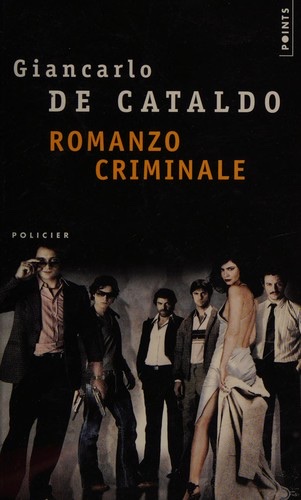
Cover of Romanzo Criminale

Romanzo Criminale

Giancarlo De Cataldo

4 ideas

  1. Kidnapping ransom that founded a gang

    In 1977 Rome, a small crew led by 'il Libanese' (modeled on Franco Giuseppucci) kidnaps a baron. Instead of splitting the ransom, they invest it together in heroin and cocaine, uniting the city's fragmented small-time criminals into one organization that controls Rome's drug market. After Libanese is murdered in 1980, the gang breaks into feuding factions, and the survivor 'Dandi' (modeled on Enrico De Pedis) ends up buried inside a Roman basilica through Church connections.

  2. Common pot versus individual shares

    The gang's power comes from a rule that every member's earnings go back into a shared fund, which lets it outbid and absorb rivals who divide their profits. The rule holds only while members see collective growth as their best route to wealth. Once individuals are rich enough to want bourgeois respectability and private empires, the common pot becomes a sucker's bet, and cooperation collapses into betrayal and killing.

  3. Deniable state work subcontracted to criminals

    Covert parts of the state, represented by the secret-service figure 'il Vecchio', use gangsters as deniable contractors for arms, false leads, favors and killings during events like the Moro kidnapping and the Bologna bombing. In return the gang gets protection. The criminals believe they are using the state, but the state sets the terms, discards them when they become inconvenient, and survives intact while they die or go to prison.

  4. National history read from its underworld

    The novel tells Italy's public history from terrorism to the Vatican bank through the gang that serviced it, so official events appear as transactions arranged underground. Truth is available but not usable. What looks like chaos becomes a readable structure of hidden deals, once you trace who paid whom and who was protected.

Save and mark ideas in the app