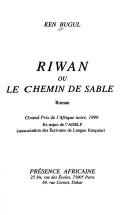
Cover of Riwan ou le chemin de sable

Riwan ou le chemin de sable

Ken Bugul

3 ideas

  1. Twenty-eighth wife beside the rebel co-wife

    A Senegalese woman returns from Europe feeling like a stranger in her own family. She freely becomes the twenty-eighth wife of a Mouride Serigne and finds peace in his compound. Rama, a young girl married to the same marabout through her family's devotion, rebels against the union, flees, and her revolt ends in her death, so the same institution is refuge for one woman and destruction for the other.

  2. Polygamy can confer dignity Western individualism withholds

    The narrator argues that in Europe, as the 'liberated' African woman, she was exoticized, used and left alone. Inside the marabout's polygamous household she is given a defined place, ritual respect and shared belonging. The book defends this choice against feminist readings that equate polygamy only with subjugation, and argues that dignity can come from being held within a structure rather than from autonomy alone.

  3. The returnee as exile in her homeland

    The European-educated returnee is cut off twice: Europe never accepted her, and her family now sees her as a Westernized failure who has broken with custom. Her healing does not come from translating herself for either side. It comes from submitting to an Indigenous institution strong enough to absorb her, which turns return into rebirth rather than homecoming.

Save and mark ideas in the app