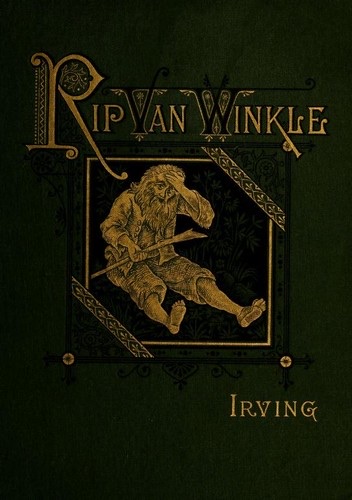
Cover of Rip Van Winkle

Rip Van Winkle

United States · 1770–1790

3 ideas

Buy on Amazon

In a Dutch-American Hudson Valley village around the time of the Revolution, Rip Van Winkle slips away to the Catskills and sleeps for twenty years. He wakes to a new republic and a village he must learn to recognize. Irving turns a vast political change into one man’s bewildering homecoming.

  1. Rip Van Winkle sleeps through the Revolution

    Rip, an idle, well-liked villager fleeing a scolding wife, climbs into the Catskills, drinks liquor with silent ghostly Dutchmen playing ninepins (Henry Hudson's crew), and sleeps twenty years. He returns to find his wife dead, his friends gone, the inn's portrait of King George repainted as General Washington, and himself nearly mobbed for declaring loyalty to the king at an election.

  2. Revolutions change labels more than lives

    The new republic swaps the king's portrait for Washington's by repainting the same face with a new coat and name, and the idle loungers at the inn now argue about 'rights of citizens' instead of old gazettes. Seen this way, political upheaval often alters vocabulary, symbols, and loyalties while leaving the texture of daily life and human types largely unchanged.

  3. Absent observers expose how fast norms flip

    Someone who misses a transition carries the old consensus intact and is instantly treated as a dangerous deviant for stating what was once obvious, as when Rip's profession of loyalty to King George nearly gets him branded a spy. The mismatch reveals that a community's settled truths are recent, contingent agreements that members quickly forget were ever otherwise.

Save ideas and give them a thumbs up or down in the app