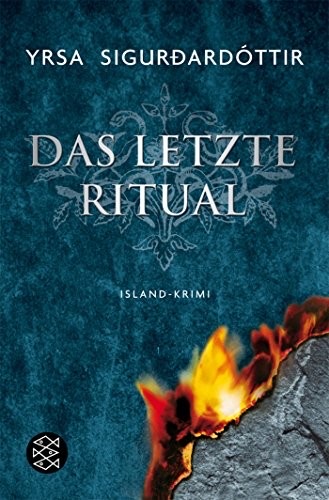
Cover of Þriðja táknið

Þriðja táknið

Yrsa Sigurðardóttir

4 ideas

  1. German student murdered amid witchcraft obsession

    Harald Guntlieb, a wealthy German history student at the University of Iceland, is found dead on campus with his eyes cut out and a symbol carved into his body. Police quickly arrest a drug dealer, but his family doubts the case and hires Reykjavík lawyer Thóra Gudmundsdóttir, working with the family's German security man Matthew Reich. Her investigation leads into Harald's fixation on Icelandic witch trials, magical staves, and occult manuscripts, and the circle of friends who shared it.

  2. Icelandic witch hunts mostly executed men

    Unlike the continental European pattern, where most people accused and burned for witchcraft were women, the 17th-century Icelandic trials overwhelmingly targeted men. Accusations there centred on possessing grimoires, runes, and written magical signs, so literacy and learned sorcery, not female folk healing, marked the suspect.

  3. Galdrastafir as written, operable magic

    Icelandic sorcery was expressed through galdrastafir: drawn magical staves and sigils, recorded in grimoires, each meant to produce a specific effect such as protection, harm, or finding the thief. Because the magic was a copyable technology on paper, surviving manuscripts carry both scholarly value and a lingering power to fascinate and to be imitated, as with a symbol carved into a victim.

  4. Hired outsider tests the convenient suspect

    When authorities settle quickly on a plausible marginal suspect, an investigator paid by the victim's family has both the motive and the freedom to reopen what the official case has closed. Reading the victim's private obsessions, rather than the circumstances of the crime scene, exposes the social circle and motives that the easy arrest skipped over.

Save and mark ideas in the app