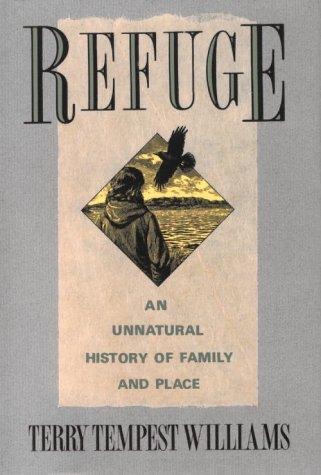
Cover of Refuge

Refuge

Terry Tempest Williams

4 ideas

  1. The Clan of One-Breasted Women

    Williams reports that nine women in her Mormon family had mastectomies and seven died of cancer, including her mother, Diane Dixon Tempest. She describes a recurring 'dream' of a flash of light in the desert, which her father tells her was real: in 1957 the family watched an atomic test cloud from the road north of Las Vegas. Years after these deaths she crosses the line at the Nevada Test Site in an act of civil disobedience and is arrested.

  2. Obedience cultures absorb harm without protest

    A community that prizes deference to authority, whether religious or patriotic, is easier for the state to injure without being held to account. Williams argues that Utah Mormons, raised not to question government or church, accepted assurances that testing was safe while their bodies absorbed the fallout. Silence in such a culture is not neutral: it lets the damage continue, so breaking obedience becomes a moral and physical necessity.

  3. Natural versus unnatural loss

    Williams separates change that belongs to a living system from loss imposed by human agency. The rising lake that drowns the refuge is part of the lake's own cycle and has to be accepted. Cancer from weapons testing is 'unnatural' and has to be resisted. Grief becomes workable once you ask which kind of loss you face: one calls for surrender and adaptation, the other for anger and action.

  4. Refuge as capacity, not location

    Watching birds abandon a flooded marsh and relocate, Williams comes to see refuge as an inner ability to stay present with change, not a protected place that stays fixed. She measures her mother's decline against the lake's elevation and the bird species present, treating the family crisis as one more fluctuating system that can be observed rather than controlled. Seen this way, security comes from attention and adaptability, not from keeping conditions stable.

Save and mark ideas in the app