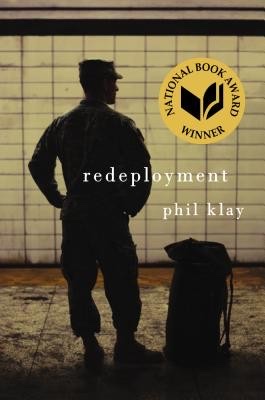
Cover of Redeployment

Redeployment

Phil Klay

5 ideas

  1. Marine shoots dogs, then his own

    In the title story, a Marine recounts shooting stray dogs in Fallujah because they were eating the bodies of the dead. The episode shows a war-trained act of killing carried into home life as a private ritual of responsibility.

  2. Acronyms and jargon launder violence into routine

    Military language turns killing, casualties and moral injury into acronyms, forms and procedural shorthand. The vocabulary lets participants perform and report violent acts without naming them. It also cuts off anyone outside the institution, who cannot decode what actually happened.

  3. Gratitude as a way to avoid knowing

    Civilians' reflexive 'thank you for your service' closes the conversation instead of opening it. It lets the public discharge its obligation to the veteran without asking what was done in its name. Veterans end up holding the moral weight of the war alone, and neither praise nor pity reaches the specific acts they carry.

  4. Borrowed guilt through swapped kill credit

    In 'After Action Report,' one Marine takes official credit for killing a teenage insurgent that his friend actually shot, to spare the friend the burden. The substitution does not remove the moral weight. It splits it: the shooter loses the public story he could use to process the act, and the claimant carries a narrative he did not earn. Assigning responsibility on paper and carrying it in the mind are separate things.

  5. Reconstruction as bureaucratic theater

    'Money as a Weapons System' follows a Foreign Service officer rebuilding Iraq. Projects there are chosen for how well they photograph and how they play with donors back home, not for what they deliver on the ground. Metrics and press-ready initiatives stand in for results, so a failed effort can still be reported as progress.

Save and mark ideas in the app