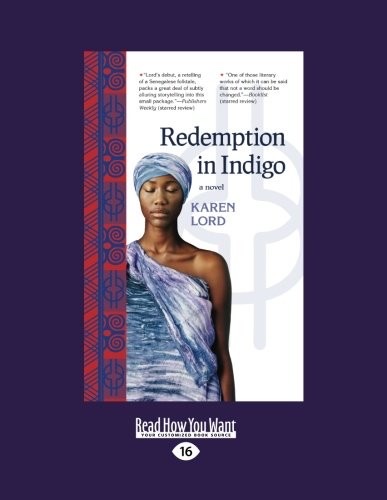
Cover of Redemption in Indigo

Redemption in Indigo

Karen Lord

4 ideas

  1. Paama, Ansige, and the Chaos Stick

    Paama, a patient and gifted cook, leaves her husband Ansige, whose uncontrollable gluttony humiliates him in a series of comic episodes when he comes to her parents' village to reclaim her. The djombi (undying spirits) give her the Chaos Stick, a power over chance taken from the Indigo Lord, a djombi who had grown contemptuous of humanity. He pursues her to get it back, and the conflict resolves only when she chooses to return it to him.

  2. Power is safest with who won't grasp

    The Chaos Stick is entrusted to Paama because she has shown no appetite for control, only endurance and care, which contrasts directly with Ansige's insatiable consumption. The book argues that fitness to hold power is revealed by restraint, and that the person least driven to seize it is the one least likely to misuse it.

  3. Redemption through voluntary relinquishment

    The Indigo Lord cannot simply take the Chaos Stick back; it has to be surrendered. Paama gives up a power she could have kept, and that freely made choice, rather than any defeat, is what opens a path to his redemption. The mechanism is that a gift made by someone who could refuse restores relationship in a way that reclaiming by force cannot.

  4. Chance shapes odds, choice shapes people

    Power over chance bends which possibilities occur, but it does not decide what people do with the circumstances they are given. The Indigo Lord's cynicism comes from judging humanity by its outcomes, while Paama's view judges people by their choices within those odds. Read this way, luck and fate become the setting in which character is tested, not a replacement for it.

Save and mark ideas in the app