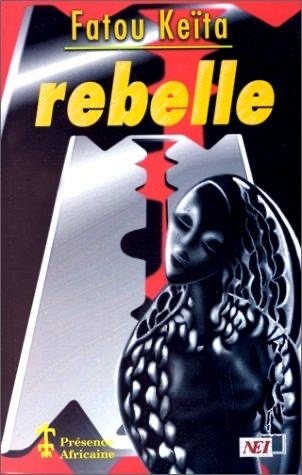
Malimouna refuses the cut and flees
Her escape does not end her struggle. On her own she keeps colliding with the same pressures of marriage, family and tradition as she tries to build a life on her own terms.
4 ideas
Her escape does not end her struggle. On her own she keeps colliding with the same pressures of marriage, family and tradition as she tries to build a life on her own terms.
Leaving the place where a tradition is enforced does not free a person from it. The same control resurfaces in marriage, family obligation and economic dependence. Refusal therefore has to be repeated at each new site of pressure rather than made once.
Harmful customs persist because the people who have already undergone them enforce them on the next generation, often out of love. Mothers and elder women frame the practice as protection, purity and a condition of marriageability. Seeing the enforcer as a former victim explains why the custom is so hard to dislodge from within.
When a community makes membership depend on submitting one's body to a ritual, dissent is punished by revoking belonging rather than by argument. The refuser brings shame on her family and loses her place. The cost of saying no is exile, and that threat is what keeps most people compliant.