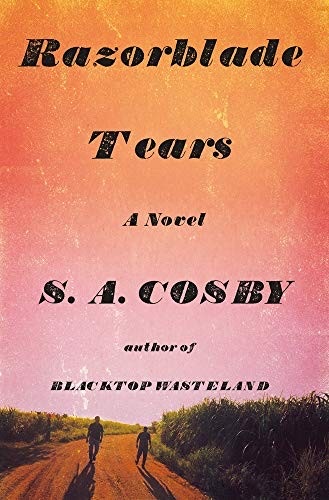
Cover of Razorblade Tears

Razorblade Tears

S. A. Cosby

4 ideas

  1. Two estranged fathers avenge their murdered sons

    Ike Randolph, a Black ex-con who built a landscaping business, and Buddy Lee Jenkins, a hard-drinking white ex-con living in a trailer, both rejected their sons Isiah and Derek for being gay and married to each other. After the sons are shot dead and their shared gravestone is defaced with homophobic slurs, the two fathers join forces and use the violence they learned in prison to hunt the killers, while working out their own contempt for who their sons were.

  2. Posthumous devotion cannot repay withheld acceptance

    Once a parent withholds acceptance from a child, the debt becomes unpayable if the child dies. Avenging the child is a way of paying it that the child never receives. The novel argues that grief turned into revenge is partly guilt looking for an action big enough to erase a failure that could only have been fixed through ordinary tenderness while the child was alive.

  3. Violence as the only fluent masculine language

    Men raised to express care only through protection and force will turn love into violence when they finally feel it, because they have no other words for it. Seen this way, a revenge spree is not only a plot device. It shows a man who can break bones for his son but could never tell him he loved him.

  4. Shared stigma as a bridge across race

    Two men divided by race can be joined by a common set of marks: prison records, poverty, and fathering a gay son. Each marks them as disreputable in the eyes of the respectable world. The alliance works less through reconciliation than through recognition, since each sees in the other the same judgment he used against his own child and has had used against himself.

Save and mark ideas in the app