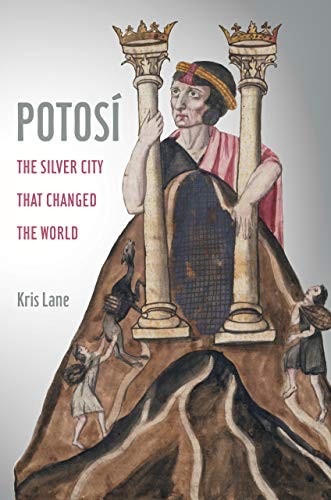
Cover of Potosí: The Silver City That Changed the World

Potosí: The Silver City That Changed the World

Kris Lane

4 ideas

  1. The Great Potosí Mint Fraud of 1649

    In the 1640s, Potosí's mint officials and silver merchants, led by Francisco Gómez de la Rocha, systematically debased the silver pesos and reales struck there, pocketing the difference. The debased coins spread through global trade circuits, and merchants from Seville to Asia lost confidence in Potosí coin.

  2. Chemistry plus coerced labor built the boom

    Potosí's first surface-ore rush faded by the 1560s. Output surged again only after Viceroy Francisco de Toledo paired mercury amalgamation, supplied from the Huancavelica mine, with the mita, a forced draft of thousands of Andean men each year. The mountain's wealth was not simply geological. It was manufactured by joining an imported refining technology to a state-organized system of compulsory Indigenous labor, and neither alone would have sustained production.

  3. Boomtown wealth as exported, not retained

    See Potosí as a pump rather than a treasury. Silver passed through the city to pay royal debts, Genoese bankers, European wars, and Chinese demand via Manila and the Atlantic, while the city kept the violence, pollution, and forced labor. This lens explains a paradox. The place that minted much of the world's money ended in depopulation and poverty, because the gains accrued wherever the silver finally came to rest, not where it was dug.

  4. Silver as the first global money

    Potosí pesos, the 'pieces of eight', became a de facto world currency because China's economy, having shifted to silver for taxes and trade, valued silver far above European prices. That price gap pulled Andean silver across both oceans in exchange for silks and porcelain. It linked the Andes, Europe, and Asia into one continuous circuit of exchange, the foundation of the first truly global economy.

Save and mark ideas in the app