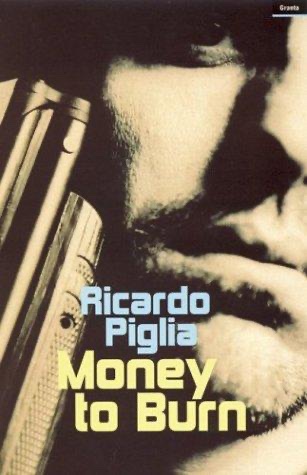
Cover of Plata quemada

Plata quemada

Ricardo Piglia

4 ideas

  1. San Fernando robbery and Montevideo siege

    In September 1965 a gang robbed an armored van carrying municipal payroll money in San Fernando, near Buenos Aires, killing guards. Protected by corrupt police and politicians, they fled to Montevideo, where hundreds of police besieged their apartment. Cornered, the gang burned the remaining banknotes and threw them from the windows before they were killed or captured.

  2. Burning money outrages more than killing

    Onlookers and the press were more scandalized by the gang burning the cash than by the murders, and called the act savage and nihilistic. Destroying money attacks the one value everyone shares, so it looks like a revolt against the social order itself. Violence against people can be understood as a means to money, but destroying the money cannot.

  3. Crime as joint venture with authority

    The robbery depends on insiders: police officers and local politicians who planned it and expected a cut. Read this way, the crime is a business partnership between outlaws and officials. The violence of the siege partly erases the witnesses to that complicity, so the boundary between criminal and state stops looking like a line and starts looking like a negotiated arrangement.

  4. Documentary reconstruction through conflicting testimonies

    The narrator rebuilds the event from court files, newspaper reports, witness statements and police surveillance, and cites each source openly. Where the sources disagree or go silent, he says so instead of smoothing it over. The result presents truth as a set of competing versions to be weighed, rather than a single authoritative account, and it makes the reader aware of how a public story of a crime gets built.

Save and mark ideas in the app