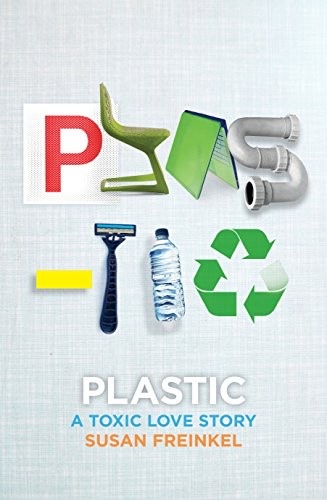
Cover of Plastic: A Toxic Love Story

Plastic: A Toxic Love Story

Susan Freinkel

6 ideas

  1. Celluloid Born to Save Elephants

    The first commercially important plastic, celluloid, came out of a search for a substitute for ivory in billiard balls and combs, driven by fears that elephant herds were being depleted. Plastic entered the world as a conservation technology, sold as a way to free industry from scarce natural materials. That origin inverts the material's modern reputation as an ecological villain.

  2. Synthetic Materials Democratized Consumer Goods

    Because plastics could be molded cheaply and in huge volumes, objects once made by hand from tortoiseshell, horn, or ivory became affordable to nearly everyone. The comb went from a status possession to a throwaway item. The same cheapness that spread material abundance also stripped objects of value, so people stopped caring for them and began discarding them.

  3. The Durability-Disposability Paradox

    Plastic is engineered to last for centuries, yet about half of it goes into single-use products meant to be used for minutes and then thrown away. This mismatch between how long a material lasts and how long a product is used is the core design failure. It turns convenience goods into waste that keeps accumulating.

  4. Low-Dose Endocrine Disruption Breaks Toxicology

    Additives such as phthalates in vinyl IV bags and BPA can leach out and mimic or block hormones. Hormone-like chemicals can act at very low doses and at critical developmental windows, so the traditional rule that 'the dose makes the poison' does not hold. The result is that the most exposed groups, such as premature infants in intensive care who receive fluids through vinyl tubing, may face the greatest risk.

  5. Lighters in Albatross Stomachs

    On Midway Atoll, far from any city, albatross chicks die with their stomachs packed with bottle caps, lighter bodies, and plastic fragments that their parents mistook for food and fed them at sea. The ocean does not biodegrade plastic. It breaks it into ever-smaller pieces that circulate in gyres and enter food chains, so pollution shows up where no one ever used the product.

  6. Recycling as Downcycling, Not Closure

    Following a PET soda bottle after it is collected shows that most recycled plastic is not made back into bottles. It is downgraded into lower-value products like fleece or carpet fiber, or shipped overseas, and eventually it still becomes waste. Seen this way, recycling mainly delays disposal and reassures consumers, while new plastic production keeps growing.

Save and mark ideas in the app