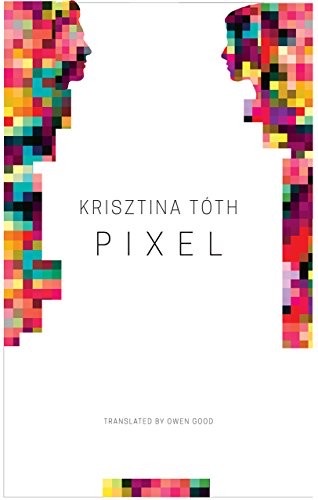
Cover of Pixel

Pixel

Krisztina Tóth

4 ideas

  1. Thirty body-part stories that secretly interlock

    Tóth's book is thirty short stories, each titled after a body part, set mostly in Budapest and elsewhere in Europe. A figure who only passes through one story, such as a stranger on a tram or someone glimpsed in a street, turns up as the protagonist of another. The reader, not the characters, discovers that the separate episodes form one connected web.

  2. Individual lives as pixels in larger image

    Treat each life as a single pixel. Seen up close it is just one coloured point with no evident pattern. A coherent picture appears only from a distance, once many such points are placed beside each other. The meaning of one person's story therefore depends on others it will never see, and no one inside the picture can see it whole.

  3. Strangers shape each other's lives unknowingly

    Chance encounters between strangers, such as a glance, a brief exchange or a shared moment in public, can be turning points in someone else's life while registering as nothing to the other person. The consequences run along connections the participants cannot see. Only an outside observer who follows each thread can recognise how much depended on accident.

  4. The body as entry point to emotion

    Each story is anchored to a specific body part, so that intimacy, loss, ageing and grief are approached through a physical site rather than an abstract feeling. The device suggests that emotional experience is stored and remembered in particular parts of the body. It also implies that a whole person can be read through a single physical detail, the way a whole community can be read through a single life.

Save and mark ideas in the app