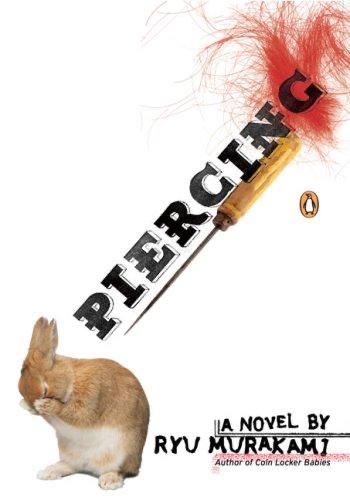
Cover of Piercing

Piercing

Ryū Murakami

4 ideas

  1. Father scripts a call girl's murder

    Kawashima, a Tokyo designer and new father, keeps waking with an urge to stab his infant daughter with an ice pick. The woman who arrives, Chiaki, stabs her own thigh with scissors in the bathroom before he can act, and his script dissolves into nursing a stranger as wounded as he is.

  2. Displacement as a protective substitute

    When a violent impulse fixes on someone the person loves, the mind may redirect it onto a stranger. That turns the protective wish into a plan to harm someone else. The substitution does not dissolve the impulse. It gives the impulse a legitimate-seeming outlet, so the urge feels controlled while it actually deepens.

  3. Over-planning as a way of containing panic

    Kawashima rehearses the murder in obsessive detail: alibis, props, what to say, how to dispose of evidence. Meticulous scripting works less as preparation than as a way to feel sovereign over an impulse that is actually controlling him. The plan therefore fails the moment another person behaves unpredictably, because it was built to manage his inner chaos rather than outer reality.

  4. Unprocessed childhood abuse resurfaces as re-enactment

    Both Kawashima, who was abused by his mother, and Chiaki carry abuse they have never processed. As adults, both are drawn into scenes where they hurt others or themselves. The novel suggests that trauma which is not metabolized seeks repetition rather than escape. As a result, two damaged people meeting tends to mirror and amplify each other's wounds instead of healing them.

Save and mark ideas in the app