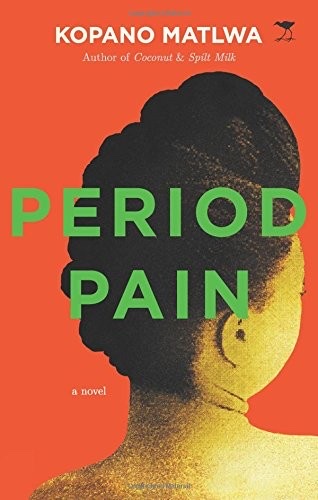
Cover of Period Pain

Period Pain

Kopano Matlwa

4 ideas

  1. Masechaba's breakdown as a public-hospital intern

    Masechaba, a young Black South African woman who became a doctor partly to master the severe menstrual pain she suffered from girlhood, takes up internship at an overstretched public hospital where patients die of neglect and staff are numbed. She defends her Zimbabwean friend and fellow doctor Nyasha amid xenophobic attacks and is then sexually assaulted by a group of men. She becomes pregnant, and her unravelling is told entirely through diary-like addresses to God.

  2. Frontline workers absorb the state's broken promises

    When a post-liberation state underfunds public services, the promise of equal care becomes a personal burden for the individual clinician. She must choose each shift whom to fail. The system's structural failure is converted into the moral injury and psychological collapse of its most conscientious workers, who experience it as their own inadequacy.

  3. Xenophobia redirects rage from state to neighbour

    Poor citizens whose post-apartheid expectations of jobs, housing and dignity went unmet turn their anger on African migrants, who are visible, vulnerable and nearby, rather than on distant elites. The novel shows the violence spreading to anyone who sides with the outsider. The cost of solidarity is borne on the defender's body, which disciplines others into silence.

  4. Prayer as testimony without a listener

    Addressing God directly lets a traumatised person speak what no human around her will hear. Her mother polices appearances, her colleagues are cynical and her church offers platitudes. The one-way confession becomes a record of unacknowledged suffering and a test of whether faith can survive divine silence, so the form itself dramatizes isolation.

Save and mark ideas in the app