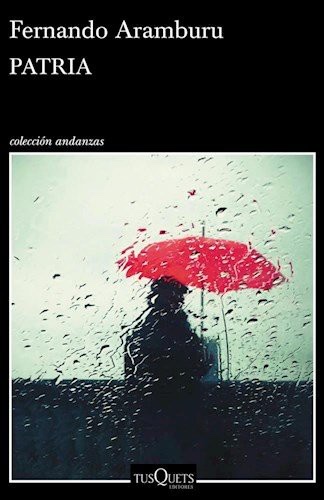
Cover of Patria

Patria

Fernando Aramburu

4 ideas

  1. Widow returns to her husband's killers' town

    In a Gipuzkoan town, the businessman Txato is shot dead by ETA after refusing to keep paying the 'revolutionary tax.' His widow Bittori leaves, then returns after ETA's 2011 ceasefire to live on the same street as Miren, her former best friend, whose son Joxe Mari is the imprisoned militant tied to the killing. Bittori asks for no revenge, only to learn the truth and receive a personal apology. Joxe Mari eventually writes her a letter of apology, and the two mothers finally embrace in the town square.

  2. Social death precedes the physical killing

    Before Txato is shot, the community has already marked him. His name is painted on walls, neighbors stop greeting him, and his cycling friends drop away. This ostracism isolates the target, signals to others that he is a legitimate victim, and lets ordinary people take part in the violence without ever touching a weapon.

  3. Silence of bystanders sustains terror

    Terrorism in a small community is kept alive less by the few who pull triggers than by the many who look away out of fear or belonging. Joxian, Txato's close friend and Miren's husband, never publicly defends him and keeps quiet after the murder. The novel presents this cowardice of decent people as a moral injury to them and as an enabling condition of the violence.

  4. Political conflict seen through kitchen tables

    The novel tells decades of political violence through two households: meals, illnesses, marriages and sibling quarrels, not ideology or headlines. Seen this way, it shows how affection gets converted into allegiance. Miren's love for her son hardens into radical nationalism, while her paralyzed daughter Arantxa, who communicates through a tablet, becomes the voice pushing for reconciliation.

Save and mark ideas in the app