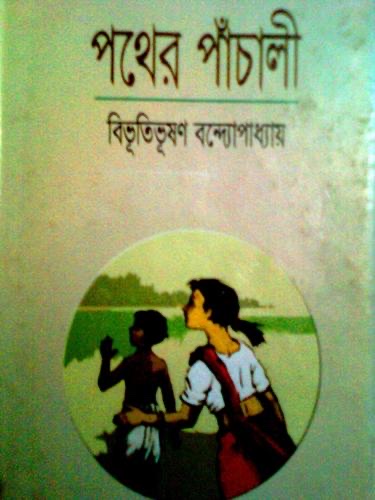
Cover of Pather Panchali

Pather Panchali

Bibhutibhushan Bandyopadhyay

4 ideas

  1. Durga's death during her father's absence

    Harihar returns with gifts for her and learns she is dead. When the family abandons their ancestral village of Nishchindipur for Benares, her younger brother Apu finds the stolen trinket she always denied taking and throws it away unseen, keeping her secret.

  2. Child's gaze turns scarcity into wonder

    Told largely through young Apu's perception, poverty appears as open time and access to the natural world: bamboo groves, mango seeds, rain, and a distant railway line he runs across the fields to see. Hunger, debt, and humiliation are carried by the adults at the edges of the frame. The reader sees both layers at once, and the gap between them shows how deprivation is partly a matter of who is doing the noticing.

  3. Scarcity turns dependent elders into rivals

    The aged, widowed relative Indir Thakrun lives on the family's margins, and every mouthful she eats is a mouthful the children do not get. The novel shows that under extreme want, kin obligation does not vanish through malice. It wears away through daily arithmetic, and the most dependent person absorbs the cost first.

  4. The provider's perpetually deferred hope

    Harihar sustains the household on the conviction that recognition, patronage, or better income is always about to arrive. That optimism keeps him away from home and delays hard decisions. Meanwhile the real consequences, a crumbling house, illness, and the children's needs, fall on the wife who stays behind. His hope works less as a plan than as a way of living with a present that cannot be changed, and when loss finally comes, uprooting to a new city replaces the deferred future.

Save and mark ideas in the app