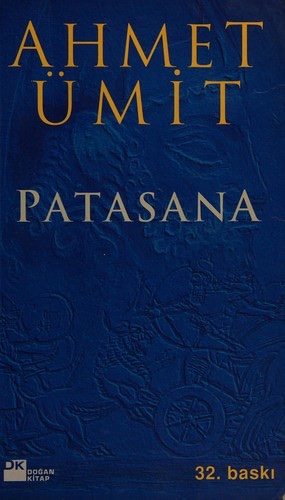
Cover of Patasana

Patasana

Ahmet Ümit

3 ideas

  1. Official history hides what private witnesses record

    Royal inscriptions and state chronicles are commissioned by power, so they omit the betrayals and killings that secured that power. The truth survives only when an insider, such as a scribe with access and a guilty conscience, writes a parallel account for himself or for posterity. Reconstructing the past therefore means reading the official record against these hidden, personal testimonies.

  2. Same land, recurring cycles of blood

    The novel sets ancient palace violence beside modern murders and ethnic war in the same landscape. The pairing suggests that ambition, revenge, and loyalty-driven killing repeat across millennia, and that only the weapons and justifications change. Seen this way, a present-day crime is less an anomaly than the latest layer of a stratified pattern, much like an archaeological deposit.

  3. Salvage dig under political and flood pressure

    Salvage archaeology is excavation done against a hard deadline, before state infrastructure such as a dam permanently erases a site. In a war zone, the dig cannot stay a neutral scholarly space: armed conflict, security forces, local loyalties, and foreign researchers all bear on who digs, what gets found, and whose version of the past is allowed to surface.

Save and mark ideas in the app