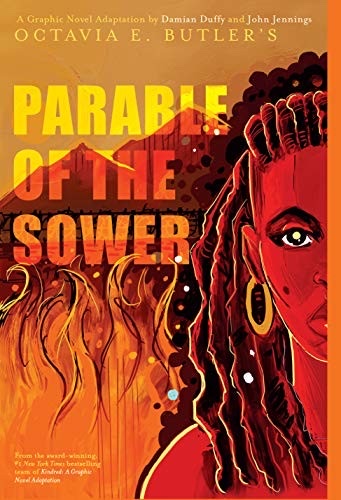
Cover of Parable of the Sower

Parable of the Sower

Octavia E. Butler

4 ideas

  1. God Is Change, Shapeable by Effort

    Earthseed defines God not as a person or lawgiver but as Change itself, the one force nothing escapes. Because change is inevitable but its direction is not, believers are asked to shape it through foresight, adaptability, and deliberate action rather than to pray for rescue. Worship becomes the practice of learning, preparing, and steering.

  2. Robledo's Walled Cul-de-sac Falls

    Lauren Olamina's Robledo neighborhood near Los Angeles survives the 2020s collapse behind a wall, with armed watches and gardens, while her preacher father insists on normalcy. Lauren secretly packs a go-bag and studies survival because she sees the wall as a delay, not a defense. In 2027 arsonists and drug-crazed 'paints' burn the community, killing her family. Her preparation lets her flee north on foot with two other survivors.

  3. Denial Kills Communities Faster Than Threats

    The adults of Robledo can see the violence rising outside, yet most treat the crisis as temporary and wait for things to return to how they were. The book argues that this refusal to plan for permanent change, not the outside danger alone, is what makes the community's destruction total.

  4. Hyperempathy as Liability and Moral Compass

    Lauren physically feels the pain she sees others suffer, so in a violent world empathy is a disabling vulnerability that enemies could exploit. Yet it also makes cruelty costly to her and pushes her to kill quickly rather than wound, and to build a community based on mutual care. Seen this way, empathy is not a soft virtue but an embodied cost that changes what violence a person can afford.

Save and mark ideas in the app