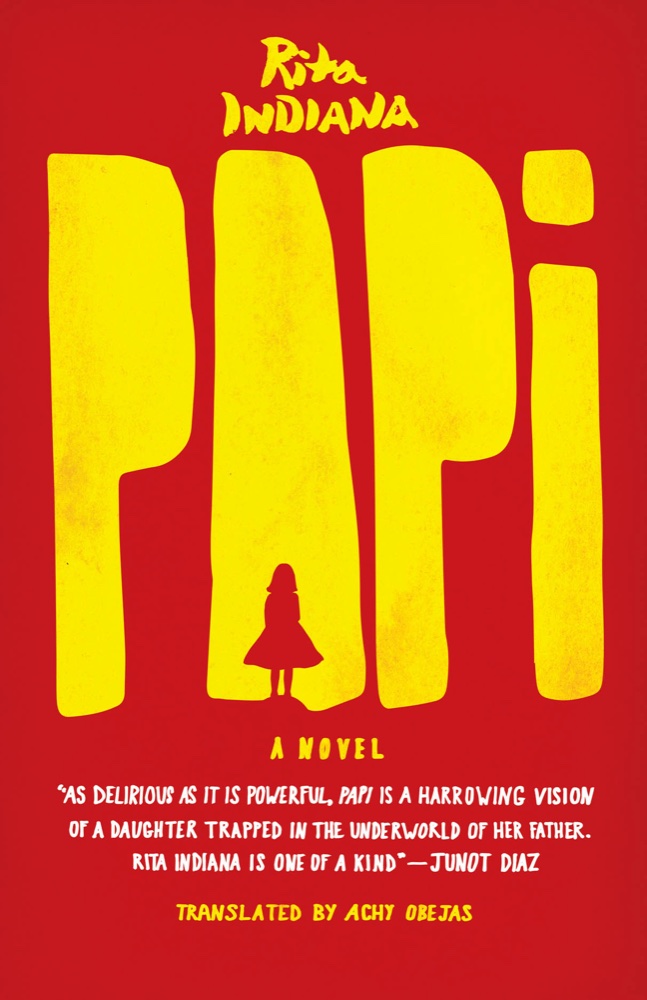
Cover of Papi

Papi

Dominican Republic

4 ideas

Buy on Amazon

In Santo Domingo, a girl waits for her often absent father's promised return from the world she associates with Miami. As she imagines him, affection swells into fantasies of money and violence. Rita Indiana builds the novel around the force of that young voice and the space her father leaves behind.

  1. Girl Waiting for Her Trafficker Father

    She describes him as a mythic figure with endless luxury cars, gifts, and crowds of girlfriends, while gunfights, enemies and pursuits break into her story. The book is a single case of how a child builds an entire inner world around a parent known mainly through promises, rumor and spectacle.

  2. Hyperbole as Evidence of Emotional Deprivation

    A child's exaggerations about an absent parent measure what is missing. The more rarely the father appears, the more cars, girlfriends and powers the narration gives him, because fantasy fills the space his presence leaves empty. Read this way, an idealized portrait tells you how large the absence is, not what the person is like.

  3. Deferred Promises Bind Harder Than Presence

    A parent who keeps promising to arrive and never comes can hold a child more tightly than one who is simply there. Each broken promise starts a new cycle of waiting.

  4. Narco Glamour as Childhood Mythology

    The trafficker's conspicuous consumption becomes the vocabulary a child uses to understand love and power. Cars, brands, cash and a crowd of admirers stand in for affection, so violence and luxury reach her as one thrilling package. The narration shows how the economy of the drug trade reshapes the imagination of the families left behind, not only their incomes.

Save ideas and give them a thumbs up or down in the app