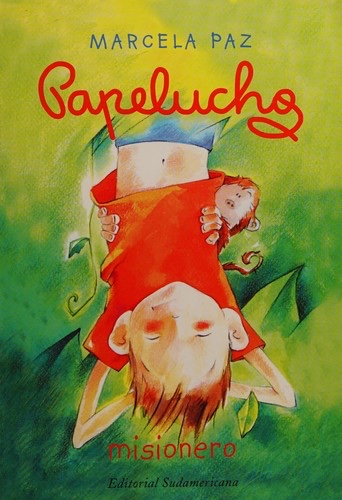
Cover of Papelucho

Papelucho

Marcela Paz

4 ideas

  1. Papelucho's diary of well-meant disasters

    Episode after episode, he starts a plan to help, rescue or please someone, it collapses into damage, and adults punish him without asking why he did it. The diary is the one place where his intentions are recorded next to his consequences, so the reader sees what the adults inside the story never see.

  2. Adults judge outcomes, children experience intentions

    A child's act looks like misbehavior to an adult because the adult sees only the result, while the child lived through the reasoning that made it seem sensible. Pay attention to the gap between intended and actual consequence, rather than to the act, and much of what gets labeled mischief turns out to be a competent plan built on incomplete information about how the adult world works. Punishment that ignores this gap teaches concealment instead of better judgment.

  3. The naive narrator as social critic

    A narrator who takes adult conventions literally, such as polite lies, contradictory rules and status rituals, exposes their absurdity without making any argument. Because the child reports these things faithfully and without irony, the reader supplies the critique, and the critique lands harder because nobody delivered it. The misspelled grammar signals sincerity, and that sincerity is what gives the observations their force.

  4. Private writing gives children a court

    A diary works for a child as a court of appeal where no one else hears the case, and the child can argue their own side, reinterpret an event and keep their dignity after being misunderstood. Writing the account turns humiliation into narrative, and the narrative is where the child places himself as the reasonable party. The need for a private space to self-justify is a core part of how a child forms an identity, not a sign of defiance.

Save and mark ideas in the app