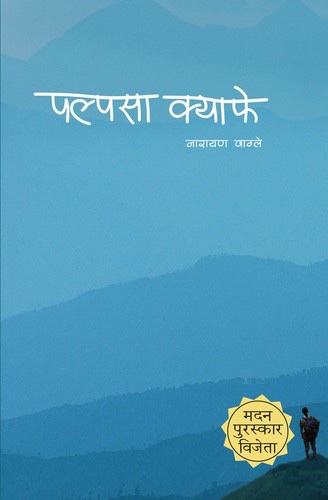
Cover of Palpasa Café

Palpasa Café

Narayan Wagle

4 ideas

  1. Painter's love ended by civil war

    Drishya, a Kathmandu painter, meets Palpasa, a young Nepali-American who returned after 9/11, and they fall in love while the Maoist insurgency spreads. He travels into the war-torn hills of his home region and finds villages emptied, old friends turned combatants, and civilians caught between rebels and the army. Palpasa, who had gone out to document the war, is killed in violence on the road, and Drishya is later taken away by security forces. The novel is framed by a writer piecing the story together after Drishya disappears.

  2. Civilians are crushed between two armed sides

    In an insurgency, noncombatants are treated as suspects by both sides. Rebels punish them for cooperating with the state, and the state punishes them for feeding or sheltering rebels. No neutral position survives, so ordinary villagers bear the violence and displacement whichever side claims to fight for them.

  3. The returnee sees the homeland unfiltered

    A diaspora child returning to her parents' country lacks the local habits of looking away. Violence that residents have normalized appears to her as an emergency that must be recorded. Her outsider-insider position turns belonging into an act of witness, and the same position exposes her to dangers the locals have learned to avoid.

  4. Art space as refusal of war

    Drishya's plan to open a café and gallery in the conflict-ridden hills treats a place for art, conversation and rest as a counter-claim on territory that armed groups are contesting. The idea is that peace needs physical sites where people meet as people rather than as partisans. The novel also shows how fragile such spaces are when neither side tolerates neutrality.

Save and mark ideas in the app