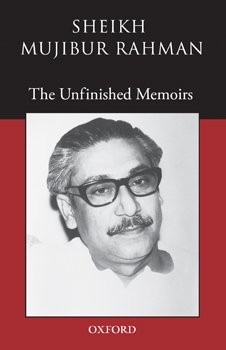
Cover of Osamapto Atmajiboni

Osamapto Atmajiboni

Sheikh Mujibur Rahman

4 ideas

  1. The 1952 jail hunger strike for release

    Authorities moved them from Dhaka to Faridpur jail, which cut Mujib off from the Language Movement's peak days of 21 February. His worsening condition and public pressure forced his release later that month. The episode shows a prisoner turning his own body into leverage when courts and petitions are closed to him.

  2. Economic grievance drove Bengali support for Pakistan

    Bengali Muslim peasants backed the Pakistan movement mainly to escape Hindu landlords and moneylenders, not out of religious abstraction. When the new state instead placed Bengal under West Pakistani officials, industrialists and an Urdu-only language policy, the same grievance turned against Karachi. A national project held together by a shared enemy breaks apart once the enemy is gone and the old pattern of domination returns in new hands.

  3. Refusing the bond as political capital

    In 1949 Dhaka University punished students who had backed a strike by the university's lowest-paid staff. Most paid fines or signed good-conduct bonds to be reinstated, but Mujib refused and was expelled. His repeated arrests and refusals to apologise built a credibility with the public that compliance could never have earned. Under a repressive regime, what a leader pays for refusing becomes the proof of commitment followers trust most.

  4. Dropping religion to widen the nation

    The Awami Muslim League was founded in 1949, and Mujib was named joint secretary while in jail. In 1955 the party removed 'Muslim' from its name so that Hindus and other minorities could join a coalition based on Bengali language and regional rights. Once a religious state existed, a religious party label only split the majority whose shared grievance was linguistic and economic.

Save and mark ideas in the app