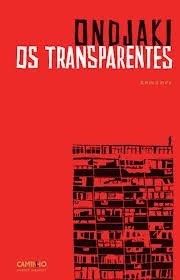
Cover of Os Transparentes

Os Transparentes

Ondjaki

4 ideas

  1. Odonato fades as Luanda burns

    In a crowded Luanda building during Angola's post-war oil boom, Odonato, a man with no work, begins eating less, partly from scarcity and partly by choice. His body gradually becomes transparent until his organs show and he grows so light that his family must tie him down so he will not float away. The novel ends with the city in flames after the scheme to drill for oil beneath Luanda, with the weightless Odonato above it.

  2. Transparency as the literal invisibility of poverty

    The poor are already socially transparent: the state, the rich, and foreign investors look through them. The more a person is deprived, the less they register as existing at all.

  3. Extraction economies end by mining their own city

    When wealth depends on oil and the elite capture the rents, the logic of extraction turns inward. Ministers and foreign partners decide to drill beneath the capital itself, treating residents' homes as an obstacle above the deposit. The pursuit of underground wealth creates the hazards that destroy the surface where people live.

  4. Infrastructure failure turned into a shared commons

    A burst pipe that leaks water into the building's first floor becomes a place where residents wash, collect water, and meet. Where the state provides nothing, people turn breakdowns into communal resources through improvisation. This shows that poor communities survive by repurposing failure, not by waiting for repair.

Save and mark ideas in the app