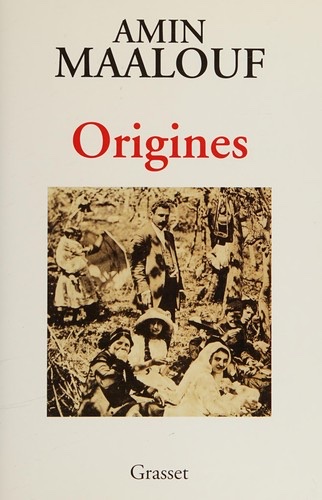
Cover of Origines

Origines

Amin Maalouf

4 ideas

  1. Roads rather than roots for identity

    Maalouf rejects the metaphor of 'roots' for human belonging and prefers 'roads'. Roots bind a tree to the soil it cannot leave, while a family like his is defined by its movements between villages, continents and faiths. On this view, origin is the set of paths ancestors travelled, not the ground they came from.

  2. Gebrayel's Havana fortune and sudden death

    Gebrayel Maalouf left Ottoman Mount Lebanon for Cuba and built a prosperous business in Havana, including a large store, becoming a pillar of the Levantine community there. He died abruptly in 1918, and the circumstances of his death were murky. Nearly a century later, his great-nephew travelled to Havana and used letters, newspapers and archives to reconstruct his rise and his end.

  3. Botros the schoolteacher who chose to stay

    Botros, the author's grandfather, was a poet and teacher who went briefly to Cuba at his brother's urging but returned to Lebanon. There he founded a modern, non-sectarian school in his mountain village and fought clerical and family resistance to his progressive ideas. His life shows the emigrant's counterpart: the one who stays and tries to modernize home rather than escape it.

  4. Religious affiliation as contested family choice

    In the late-Ottoman Levant, confession was not a fixed inheritance. Within a single family, members moved between Melkite Catholic, Protestant and other churches, and these conversions provoked quarrels as bitter as any political split. Religious identity functioned as a negotiable allegiance shaped by schools, missionaries and personal conviction, which undercuts the image of timeless sectarian blocs.

Save and mark ideas in the app