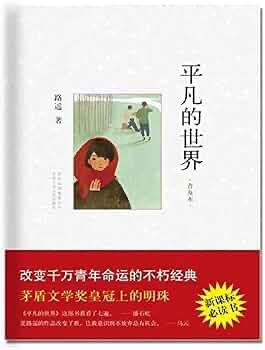
Cover of Ordinary World

Ordinary World

China · 1975–1985

4 ideas

Buy on Amazon

In Shaanxi during China’s late 1970s and early 1980s reforms, brothers Sun Shaoan and Sun Shaoping face the limits and possibilities of life in a poor village. This three-volume novel follows their diverging paths while keeping the wider community and its changing work in view.

  1. Sun Shaoping: from laborer to miner

    Sun Shaoping, a high-school-educated peasant son, leaves Shuangshui village to work as a day laborer carrying stones in Huangyuan city, sleeping in unfinished buildings while reading books at night. He also takes on care of his dead mentor's widow and son.

  2. Sun Shaoan's brick kiln rise and collapse

    Once household farming reforms allow private enterprise, he borrows to build a brick kiln and prospers. A bungled firing then ruins a whole batch and leaves him deep in debt, and he rebuilds only to see his wife Xiulian fall gravely ill just as success arrives.

  3. Dignity comes from how hardship is borne

    The novel holds that ordinary people cannot choose their circumstances, but their worth is made by how they carry the labor and loss those circumstances bring. Suffering endured with integrity and responsibility for others is treated as a source of self-respect, not merely something to escape. This is why the characters repeatedly turn down comfort that would compromise them.

  4. Policy change seen through village-level lives

    National reforms such as decollectivization are shown entirely through their effects inside one village: the loss of local cadres' power, new chances and new risks for families, and old feuds finding new outlets. Reading history this way shows that the same policy produces winners, losers and moral strains household by household, rather than as one national outcome.

Save ideas and give them a thumbs up or down in the app